Source pet food packing adhesive sticker for Beverage, Medicine, Packaging Film
Compare 30 verified options for pet food packing adhesive sticker from manufacturers in Wuxi and Jiangsu. Buyers can evaluate materials like PVC and paper, customization levels, and delivery times ranging from 7 to 10 days for various industrial applications.
Key considerations
Products List


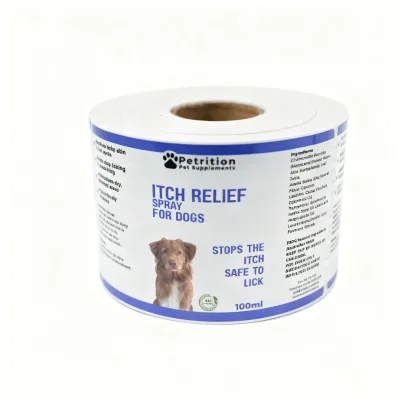


Comprehensive Sourcing Guide
Strategic Sourcing Guide for Pet Food Packing Adhesive Stickers
Procuring adhesive stickers for pet food packaging requires a rigorous approach that balances material durability, regulatory compliance, and supply chain reliability. The market offers a diverse array of options, from standard roll formats to fully custom-shaped solutions. Buyers must navigate a landscape where technical specifications vary significantly between suppliers, and where the integrity of the label is critical for product safety and brand identity. This guide outlines the essential factors for sourcing high-performance adhesive stickers tailored to the pet food industry, ensuring that procurement decisions are grounded in verified data and industry best practices.
Technical Specifications and Material Composition
The foundation of a successful sticker for pet food packaging lies in the selection of appropriate materials and printing technologies. The core substrate often dictates the sticker's ability to withstand the rigors of storage, transportation, and potential exposure to moisture or refrigeration. In the current market, Polyester (PET) and Polyvinyl Chloride (PVC) are prominent materials observed in high-performance applications. PET offers excellent dimensional stability and resistance to tearing, while PVC provides flexibility and strong adhesion properties. For applications requiring a more traditional feel, Paper-based substrates are also available, though they may require specific coatings for moisture resistance.
The adhesive type is equally critical. For pet food environments, a Permanent Adhesive is generally required to ensure the label remains affixed throughout the product's shelf life, even under varying temperature conditions. The adhesive must be capable of bonding securely to various packaging surfaces, including plastic bottles, cans, and flexible pouches. The backing paper, often Glassine, plays a vital role in the dispensing process, ensuring smooth release without leaving residue on the adhesive side.
Printing technology further defines the visual quality and durability of the sticker. Buyers should verify that suppliers utilize advanced techniques such as Screen Printing, Offset Printing, Flexographic Printing, and Digital Printing. Each method offers distinct advantages; for instance, Flexographic printing is highly efficient for long runs, while Digital printing allows for rapid prototyping and short-run customization. The color reproduction capabilities are typically managed through CMYK or Pantone color systems, ensuring brand consistency. Furthermore, the transparency of the material is a key specification; many high-quality options are Opaque to provide a solid background for graphics, though clear options exist for specific design needs.
Customization Capabilities and Design Flexibility
One of the primary advantages of modern adhesive sticker manufacturing is the extensive scope for customization. Unlike off-the-shelf solutions, pet food brands often require unique shapes and sizes to differentiate their products on crowded shelves. The market supports Custom Shape options, allowing for die-cutting into Rectangle, Round, Square, or highly irregular forms that align with specific packaging contours. This flexibility extends to the physical dimensions, with suppliers offering Customized Size options to fit any packaging requirement.
Design customization is not limited to the physical shape. Buyers can specify customizations regarding Material, Content, Usage, and Size. This level of personalization is essential for creating labels that convey specific nutritional information, usage instructions, or promotional content unique to a product line. To facilitate this, suppliers typically require specific digital file formats. The standard accepted artwork formats include Ai (Adobe Illustrator), Psd (Photoshop), Pdf, and CDR (CorelDRAW). Ensuring that design files are provided in these vector or high-resolution formats is crucial for maintaining print quality and accurate color reproduction.
The production process often involves specific models or SKUs to manage these custom orders. For example, specific production models like SAL-440, AG974, or AG408 may represent different material or printing configurations. Understanding these model identifiers helps buyers communicate precise requirements to suppliers, ensuring that the final product matches the intended design and functional specifications.
Compliance, Certification, and Regulatory Standards
In the pet food industry, regulatory compliance is non-negotiable. Stickers must not only adhere to aesthetic standards but also meet safety and quality benchmarks. Buyers should prioritize suppliers who hold recognized certifications such as ISO 9001 and SGS. These certifications indicate that the manufacturer adheres to international quality management standards and has undergone third-party verification of their processes. While some background sources may mention FSC (Forest Stewardship Council) certification, buyers should verify the current status of such claims directly with the supplier, as availability can vary by production batch and specific product lines.
The durability of the sticker is also a compliance factor. The product must be Waterproof to withstand potential humidity changes in storage facilities or accidental exposure to liquids. Additionally, the stickers must demonstrate Temperature Resistance, performing reliably across Room Temperature, Low Temperature, and High Temperature ranges. This ensures that labels remain intact whether the pet food is stored in a cool warehouse, transported in a hot truck, or kept in a freezer.
Cost Drivers and Minimum Order Quantity Analysis
Understanding the cost structure of adhesive stickers is vital for budgeting and inventory planning. The price of these products can vary significantly based on material choice, printing complexity, and order volume. Market observations indicate a wide price range, from as low as $0.01 to $149.90 per unit or batch, depending on the scale and customization level. This variance underscores the importance of aligning order volume with production capabilities.
Minimum Order Quantity (MOQ) is a primary cost driver. While some suppliers may offer low entry points, the observed MOQ ranges in the market span from 1 unit to 400,000 units. However, specific product models often carry distinct MOQ requirements. For instance, certain models may require a minimum of 100 PCS, while others, particularly those involving complex customizations or specific printing techniques, may demand a minimum of 3,000 PCS or even 5,000 PCS. Buyers must carefully evaluate their inventory needs against these thresholds to avoid unnecessary capital tie-up or production delays.
Lead times also influence the total cost of ownership. A typical delivery time for these products is around 7 days, with some variations extending to 7-10 days depending on the complexity of the order and the supplier's current workload. Understanding these timelines is essential for maintaining a steady supply chain, especially for seasonal pet food products or promotional campaigns.
Typical Applications and Usage Scenarios
Adhesive stickers for pet food serve multiple functional roles beyond simple branding. They are utilized as Custom Stickers for general packaging, but their application extends to specific product categories such as Bottled Beverage, Medicine, and Packaging Film. In the context of pet food, these labels are often applied to Bottled Beverage containers for wet food or liquid supplements, as well as on Medicine packaging for pet health products. The versatility of the sticker allows it to be used on Food packaging, ensuring that nutritional facts, feeding guidelines, and safety warnings are clearly visible to the consumer.
The specific usage scenarios dictate the required performance characteristics. For example, a sticker applied to a bottle that may be refrigerated requires high adhesion strength and temperature resistance. Conversely, a sticker for a dry food bag might prioritize tear resistance and print clarity. The ability to customize the sticker for specific usage scenarios ensures that the label performs optimally in its intended environment.
Supplier Evaluation and Quality Control Protocols
Selecting the right supplier involves a comprehensive evaluation of their capabilities, location, and quality control measures. Suppliers are often located in industrial hubs such as Wuxi or Jiangsu, which are known for their manufacturing expertise. The shipping ports for these products typically include Shanghai, Wuxi, and Ningbo, facilitating efficient logistics for international buyers.
When evaluating a supplier, buyers should verify their production standards. The product standard is often defined as Sheet or Roll formats, with some models offering custom model specifications. Quality control should encompass the entire production process, from the initial material selection to the final packaging. The standard packing method is typically Carton or Export Carton, ensuring that the stickers arrive in pristine condition.
Buyers should also assess the supplier's flexibility in handling different payment terms, which may include T/T, Paypal, and West Union. Clear communication regarding payment terms can streamline the procurement process and mitigate financial risks. Additionally, the supplier's ability to provide Design Drawings in the required formats is a key indicator of their technical competence.
Long-Term Procurement Considerations
Sourcing adhesive stickers is not a one-time transaction but a long-term partnership that requires ongoing management. Buyers should consider the scalability of their supplier's production capabilities. As a brand grows, the demand for stickers will increase, and the supplier must be able to handle larger volumes without compromising quality or lead times. The ability to maintain consistent color reproduction and adhesive performance across different production batches is crucial for brand integrity.
Furthermore, buyers should plan for potential supply chain disruptions. Diversifying suppliers or maintaining a safety stock of critical components can help mitigate risks. Regular audits of the supplier's quality control processes and certification status ensure that the partnership remains compliant with evolving industry standards. By focusing on these long-term factors, buyers can secure a reliable supply of high-quality adhesive stickers that support their pet food packaging needs effectively.
Summary of Key Specifications and Requirements
To assist buyers in their decision-making process, the following table summarizes the critical specifications and requirements observed in the market for pet food packing adhesive stickers.
| Specification Category | Key Attributes & Observations |
|---|---|
| Material | Polyester (PET), PVC, Paper |
| Adhesive Type | Permanent Adhesive |
| Backing Paper | Glassine |
| Printing Techniques | Screen, Offset, Flexographic, Digital, Letterpress, Transfer |
| Shape Options | Rectangle, Round, Square, Custom Shape |
| Size | Customized Size |
| Color System | CMYK or Pantone |
| Transparency | Opaque (standard), Clear options available |
| Durability | Waterproof, Temperature Resistant (Low, Room, High) |
| Certifications | ISO 9001, SGS (Verify FSC status individually) |
| MOQ Range | 1 to 400,000 (Specific models: 100, 3,000, 5,000 PCS) |
| Lead Time | 7 Days to 7-10 Days |
| Origin Locations | Wuxi, Jiangsu |
| Shipping Ports | Shanghai, Wuxi, Ningbo |
| Artwork Formats | Ai, Psd, Pdf, CDR |
| Packaging | Carton, Export Carton |
By adhering to these guidelines and verifying the specific attributes against supplier capabilities, buyers can ensure the procurement of adhesive stickers that meet the rigorous demands of the pet food industry. The focus on technical specifications, compliance, and supplier reliability forms the backbone of a successful sourcing strategy in this competitive market.
FAQs
What materials are used for pet food packing adhesive stickers?
The stickers are primarily made from Polyester (PET), PVC, or Paper. These materials offer durability and flexibility, with PET providing excellent dimensional stability and PVC ensuring strong adhesion properties for various packaging surfaces.
Can I order custom shaped stickers for my pet food brand?
Yes, custom shapes including Rectangle, Round, Square, and irregular forms are available. You can specify custom dimensions and shapes to fit specific packaging contours, ensuring your brand stands out on crowded shelves.
What is the minimum order quantity for these adhesive stickers?
Minimum order quantities vary by product model, ranging from 100 PCS to 5000 PCS. Some specific models require a minimum of 3000 PCS, while others may start at 100 PCS depending on the customization level.
How long does delivery take for custom adhesive sticker orders?
Typical delivery times are 7 days, with some orders taking 7 to 10 days. This timeline depends on the complexity of the customization and the current workload of the manufacturing facility in Wuxi or Jiangsu.
Which certifications do the sticker manufacturers hold?
Manufacturers hold ISO 9001 and SGS certifications to ensure quality management standards. These certifications verify that the production processes meet international benchmarks for safety and reliability in the pet food packaging industry.
What printing technologies are used for these custom stickers?
Advanced printing methods include Screen Printing, Offset Printing, Flexographic Printing, and Digital Printing. These techniques ensure high-quality color reproduction using CMYK or Pantone systems for consistent brand identity.
Are the stickers waterproof and temperature resistant?
Yes, the stickers are waterproof and resistant to room, low, and high temperatures. This durability ensures the labels remain intact during storage, transportation, and exposure to varying environmental conditions.